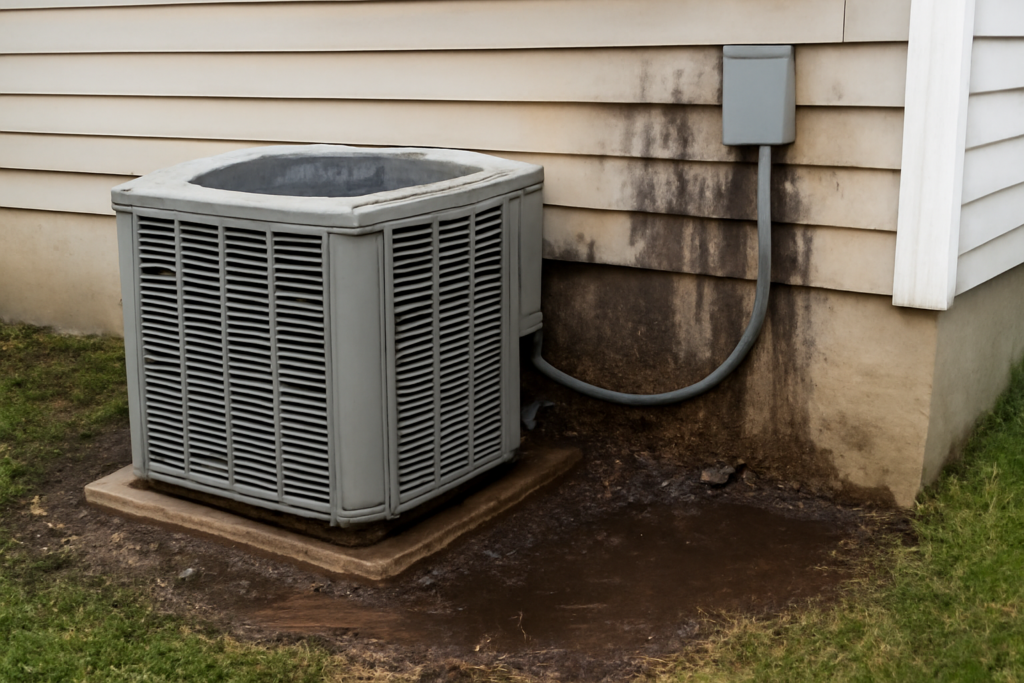
AC Unit Water Removal in Taylor, UT
Trusted by 160+ Homeowners
Summer Storms Bring Heavy Rains to Taylor, UT: Protect Your AC Unit
Living in Taylor, UT, you’re no stranger to the intense summer storms that bring heavy rains and strong winds. When these storms hit, your AC unit can be vulnerable to water damage. If your AC unit is exposed to heavy rain or flooding, water can seep into the unit, causing costly repairs and even safety hazards. That’s why it’s essential to know the signs of AC unit water damage and how to prevent it in the first place.
Our team has helped countless homeowners in the area recover from AC unit water damage, and we’re confident we can do the same for you. With over 165+ five-star reviews, you can trust our expertise and dedication to delivering exceptional results. Our technicians are IICRC-certified and committed to providing top-notch service that exceeds your expectations.
- Quick response times to reduce water damage and prevent further issues.
- Advanced equipment and techniques to thoroughly dry and clean your AC unit.
- Comprehensive inspections to identify and address underlying problems.
The AC Unit Water Removal Process: What to Expect
With AC unit water removal, a proper process is crucial to ensuring your unit is restored to its original condition. Our team follows a meticulous approach to guarantee your AC unit is properly dried, cleaned, and inspected. Here’s a breakdown of our step-by-step process:
Step 1: Inspection and Assessment
Our technicians will carefully inspect your AC unit to identify the extent of the water damage. We’ll assess the situation, taking note of any safety hazards, structural damage, and potential health risks. This step is critical in determining the best course of action for your specific situation.
Step 2: Water Extraction
Using advanced equipment, we’ll extract the standing water from your AC unit, taking care to avoid further damage or contamination. Our technicians will work efficiently to reduce downtime and get your unit back up and running as soon as possible.
Step 3: Drying and Dehumidification
We’ll use specialized equipment to dry your AC unit thoroughly, removing any remaining moisture and humidity. This step is essential in preventing further damage, mold growth, and safety hazards.
Step 4: Cleaning and Disinfection
Our technicians will thoroughly clean and disinfect your AC unit, removing any dirt, debris, or bacteria that may have accumulated during the water damage. This step ensures your unit is safe to operate and reduces the risk of future issues.
Step 5: Inspection and Testing
Once the cleaning and disinfection process is complete, we’ll conduct a thorough inspection to ensure your AC unit is functioning properly and safely. We’ll test the unit to guarantee it’s working at best levels, providing you with peace of mind and confidence in your unit’s performance.
Don’t wait until it’s too late, act quickly to prevent further damage and ensure a smooth recovery process. Contact our team today to schedule an appointment and let us handle the AC unit water removal process for you.
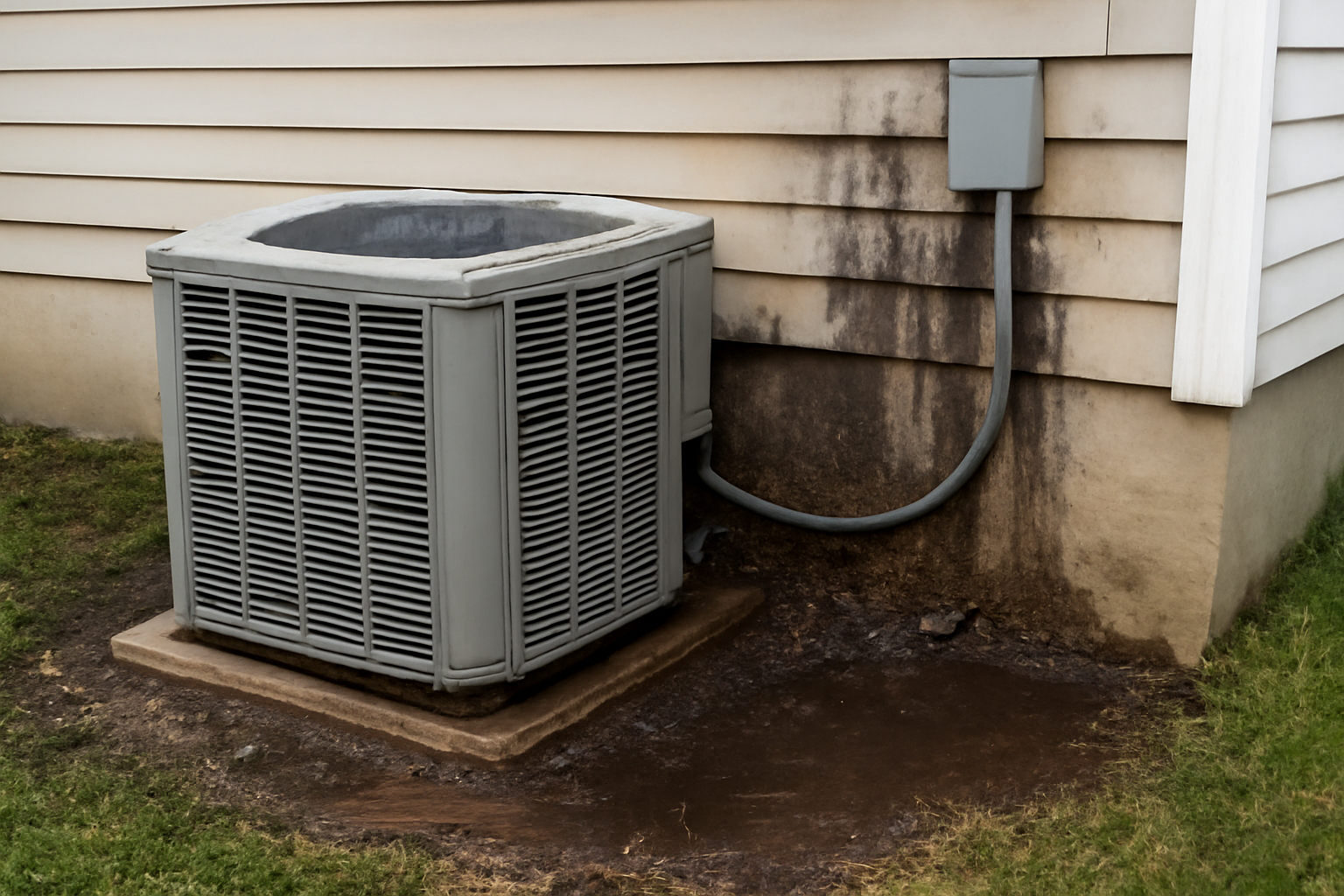
Warning Signs You Need AC Unit Water Removal
Ignoring warning signs can lead to costly repairs, safety hazards, and even health risks. Keep an eye out for these common indicators of AC unit water damage:
Musty Odors That Won’t Go Away
A persistent musty smell in your home or AC unit can be a sign of water damage or mold growth. Don’t ignore this warning sign, address it quickly to prevent further issues.
Visible Water Stains or Leaks
Water stains or leaks on your AC unit or surrounding surfaces can show a more significant problem. Act quickly to prevent further damage and ensure a proper repair.
Increased Humidity or Moisture
Unusually high humidity or moisture levels in your home or AC unit can lead to mold growth, safety hazards, and costly repairs. Don’t wait, address this issue quickly.
Unusual Noises or Vibrations
Unusual noises or vibrations from your AC unit can show a problem with the unit’s internal parts or a sign of water damage. Don’t ignore this warning sign, address it quickly.
Visible Signs of Mold or Mildew
Visible signs of mold or mildew on your AC unit or surrounding surfaces can show a serious health risk. Address this issue quickly to prevent further problems.
Unusual Energy Bills or Performance
Unusually high energy bills or performance issues with your AC unit can show a problem with the unit’s internal parts or a sign of water damage. Don’t ignore this warning sign, address it quickly.
AC Unit Water Removal vs. DIY: When to Call a Professional
| Situation | DIY? | Call a Pro? | Why |
|---|---|---|---|
| Standing water in the AC unit | No | Yes | Professionals have the equipment and expertise to safely remove standing water and prevent further damage. |
| Visible water stains or leaks | No | Yes | Ignoring water stains or leaks can lead to costly repairs and safety hazards. |
| Unusual noises or vibrations | Maybe | Yes | Professionals can diagnose and repair internal part issues to prevent further problems. |
| Visible signs of mold or mildew | No | Yes | Ignoring mold or mildew can lead to serious health risks and costly repairs. |
| Unusually high energy bills or performance | Maybe | Yes | Professionals can diagnose and repair internal part issues to prevent further problems. |
| Small water spill or leak | Yes | No | Small water spills or leaks can often be addressed with basic cleaning and maintenance. |
Don’t take risks with your AC unit, call a professional if you’re unsure about the severity of the issue or the best course of action. Our team is here to help you navigate the AC unit water removal process and ensure your unit is restored to its original condition.
AC Unit Water Removal Cost in Taylor, UT
The cost of AC unit water removal in Taylor, UT, can vary depending on the severity of the issue, the size of the affected area, and local conditions. Our team provides free estimates for each project, taking into account the unique circumstances of your situation. Here’s a breakdown of typical price ranges for different aspects of AC unit water removal:
| Service | Typical Price Range | What Affects Cost |
|---|---|---|
| Water extraction | $500 – $2,500 | Size of affected area, type of equipment needed |
| Drying and dehumidification | $200 – $1,500 | Size of affected area, type of equipment needed |
| Cleaning and disinfection | $100 – $1,000 | Size of affected area, type of equipment needed |
| Inspection and testing | $50 – $500 | Size of affected area, complexity of issue |
| Repair or replacement of damaged parts | $500 – $5,000 | Severity of damage, type of parts needed |
| More services (e.g., mold remediation) | $200 – $2,000 | Severity of issue, type of services needed |
Exact pricing depends on an on-site assessment, and we offer free estimates for each project. Contact our team today to schedule an appointment and get a more accurate quote for your AC unit water removal needs.
Service Areas Near Taylor, UT
Our team serves the following nearby communities:
Logan, UT, Smithfield, UT, Richmond, UT, Hyrum, UT, Nibley, UT, Providence, UT, Millville, UT, Mendon, UT, North Logan, UT, Wellsville, UT, Preston, ID, Franklin, ID, Soda Springs, ID, Lago, ID, and surrounding areas.
Common Questions About AC Unit Water Removal
Q: How long does the AC unit water removal process take?
A: The length of time depends on the severity of the issue, the size of the affected area, and local conditions. Our team will provide a more accurate estimate during the on-site assessment.
Q: Is AC unit water removal covered by insurance?
A: It depends on your insurance policy and the circumstances of the issue. Our team can help you navigate the insurance process and ensure you receive the coverage you deserve.
Q: Can I perform AC unit water removal myself?
A: While small water spills or leaks can often be addressed with basic cleaning and maintenance, more severe issues need professional expertise and equipment to prevent further damage and safety hazards.
Q: How do I prevent AC unit water damage in the first place?
A: Regular maintenance, proper installation, and addressing water issues quickly can help prevent AC unit water damage. Our team can provide guidance on how to maintain your unit and prevent future problems.
Q: What if I’m not sure if I need AC unit water removal?
A: If you’re unsure about the severity of the issue or the best course of action, don’t hesitate to contact our team. We’ll provide a free assessment and help you find out the best solution for your AC unit.
Check Our Other Relevant Services
Serving Taylor, UT And Nearby Areas