Dayton, ID · Franklin County
Hydrostatic Pressure Water Removal in Dayton, IDStructural Drying After Intrusion & Slab Seepage Water Removal
Hydrostatic Pressure Water Removal in Dayton covers groundwater intrusion mitigation, wet subfloor removal and crawl space water extraction.
Answered 24/7
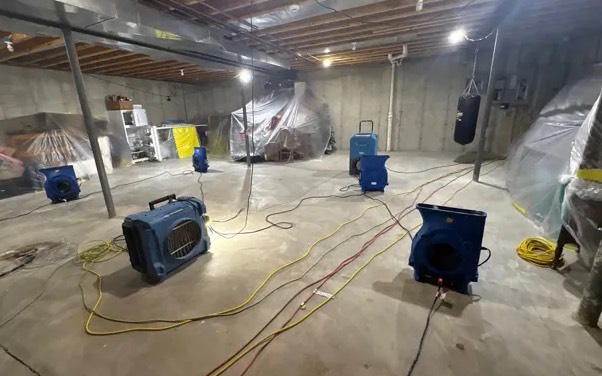
Hydrostatic Pressure Water Removal Solutions for Dayton Homes
A failed sump pump or poor drainage can flood a lower level fast. The water often carries mud and silt, which adds cleaning to the extraction and drying.
In Dayton and nearby Weston, Clifton and Winder, soaked soil can push water into basements and crawl spaces. Local structural drying professionals extract the water and dry the structure.
Detailed Hydrostatic Pressure Water Removal Methods
Structural Drying After Intrusion
After water comes through a foundation or slab, drying follows industry standards, with air movers and dehumidifiers aimed at wall cavities and framing.
Slab Seepage Water Removal
When water seeps up through a slab in Dayton, flooring may need to be lifted so the concrete can dry. Pros explain what a foundation specialist should look at.
Basement Hydrostatic Pressure Flooding
When the soil around a basement is soaked, water pressure pushes water through the walls and floor. Local structural drying professionals pump it out and dry the basement before finishes and stored items are ruined.
Groundwater Intrusion Mitigation
The first step is extracting all visible water. The pros then note where water is getting in so you know what to ask a drainage contractor about.
Crawl Space Water Extraction
Pumps and extractors made for tight spaces remove water from the crawl space before any drying, encapsulation or other work can start.
When to Call for Hydrostatic Pressure Water Removal in Dayton
Damp or Musty Odors in Basement
A constant musty smell in the lower level often means groundwater is getting in somewhere.
Spongy or Soft Spots on Floors
Damp spots or lifting flooring on a slab can mean water is coming up from below.
Efflorescence on Concrete Surfaces
White, chalky deposits on foundation walls or the slab show water has been pushing through the concrete.
Gurgling Sounds From Floor Drains
Gurgling floor drains during heavy rain can mean water pressure is building in the drain lines around the house.
How Hydrostatic Pressure Water Removal Works in Dayton
Step 1: Initial Pressure Evaluation
The pros look at where the water came in and how wet the soil-side walls and floor are.
Step 2: Sub-Slab Water Removal
Using specialized extraction tools, pros remove water trapped beneath concrete slabs and flooring.
Step 3: Targeted Structural Drying
Drying equipment is aimed at framing, joists and sill plates so the structure dries all the way through.
Step 4: Documentation for Insurance
Moisture readings, photos and notes on the work are put together for your insurance claim.
Sources Requiring Hydrostatic Pressure Water Removal
Improper Landscaping and Irrigation
Landscaping that slopes toward the house, or heavy watering near it, adds water to the soil against the foundation.
Failed or Missing Waterproofing
Worn exterior coatings or membranes let groundwater reach the foundation wall directly.
Plumbing Leaks Under the Slab
A broken water line under the slab keeps feeding water up through the floor.
Poor Exterior Drainage Systems
Clogged gutters, downspouts and poor grading send water toward the foundation, where it builds pressure in the soil.
Hydrostatic Pressure Water Removal for All Property Types
Residential Hydrostatic Pressure Water Removal
In homes, water through the foundation can reach framing and wiring in the lower level. The professionals remove the water and dry the structure, and a foundation contractor handles any cracks.
Commercial Hydrostatic Pressure Water Removal
Warehouses and plants on slab floors can take on water from below. Industrial equipment removes it and dries the large floor area so work can resume.
Why Hydrostatic Pressure Water Removal Requires Local Pros in Dayton
Clearing gutters and extending downspouts away from the foundation are good steps to reduce water at the walls. If water is already coming in, call (435) 265-3497 for extraction and drying.
Understanding Hydrostatic Pressure Water Removal Expenses
The price for hydrostatic pressure water removal in Dayton varies based on factors like the severity of the slab leak and the complexity of wet subfloor removal required.
Affected Area Size
Larger flooded areas or large wet subfloors need more equipment and more days of drying.
Material Saturation Level
Deeply soaked subflooring or wet foundation walls need more extraction and dehumidification.
Intrusion Severity
How deep the water is and how much keeps coming in decide how long extraction takes.
Does Insurance Cover Hydrostatic Pressure Water Removal?
Groundwater cleanup may be covered if the event was sudden and accidental under your policy. The pros gather photos and readings for your insurer, who decides coverage.
The Value of Local Pros for Hydrostatic Pressure Water Removal
IICRC-Standard Drying Methods
Drying the structure fully after water intrusion protects the foundation and framing from lasting damage.
Sump Pump System Evaluation
After a sump pump failure, the pros help you understand why it failed so a plumber can fix it.
Structural Damage Assessment
The pros check where water came in and which materials it reached before drying starts.
Around-the-Clock Help for Hydrostatic Flooding in Dayton
Drying after groundwater gets in starts with a call to (435) 265-3497. The professionals are available 24/7 in Dayton to remove the water and set up drying.
Call Now (435) 265-3497Areas Served for Hydrostatic Pressure Water Removal Near Dayton
Help with hydrostatic pressure water removal is available for properties in Dayton and nearby Weston, Clifton and Winder.
- Hydrostatic Pressure Water Removal in Weston
- Hydrostatic Pressure Water Removal in Clifton
- Hydrostatic Pressure Water Removal in Winder
- Hydrostatic Pressure Water Removal in Preston
- Hydrostatic Pressure Water Removal in Banida
- Hydrostatic Pressure Water Removal in Lewiston
- Hydrostatic Pressure Water Removal in Franklin
- Hydrostatic Pressure Water Removal in Cornish
- Emergency Damage Restoration in 83232
- Storm Damage Restoration in 83232
- Water Damage Restoration in 83232
- Water Extraction Service in 83232
- Water Leak Detection in 83232
- Water Removal Service in 83232
Hydrostatic Pressure Water Removal FAQs
Does sealing a foundation crack stop water from coming in?
Sealing a crack, done by a foundation contractor, can help. Long-term control often also needs drainage or waterproofing outside to lower the water pressure.
What does groundwater intrusion mitigation involve?
Removing the water, drying the structure and then, often, drainage or waterproofing work outside by a contractor.
Can crawl space water extraction prevent mold?
Removing the water quickly and drying the crawl space fully takes away the moisture mold needs, which keeps it from starting.
When is wet subfloor removal necessary?
When wood subflooring is so soaked that it cannot be dried, it is removed to prevent rot and a weak floor.
What are signs of soil pressure water intrusion?
Water seeping where the floor meets the wall, damp foundation walls and ongoing moisture in a crawl space.