Dayton, ID · Franklin County
Standing Water Extraction in Dayton, IDEmergency Water Pump Out & Basement Standing Water Removal
In Dayton, Standing Water Extraction consists of post-flood sanitization, basement standing water removal and flooded room drying.
Answered 24/7
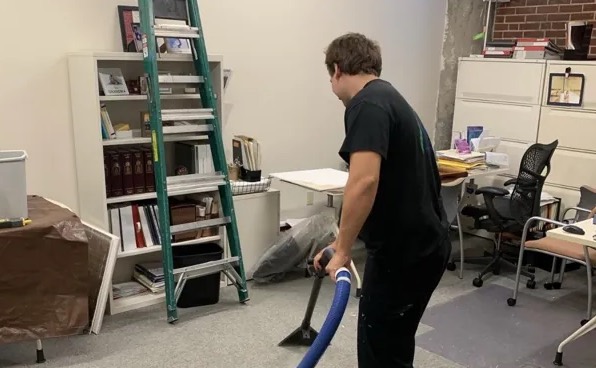
Standing Water Extraction for Dayton Residents
Across Dayton, standing water is a slip and shock hazard and ruins belongings. The longer it sits, the bigger and costlier the cleanup becomes.
Businesses in Dayton, Weston, Clifton and Winder lose money while water sits on the floor. Local water extraction pros bring high-capacity pumps and dryers to remove it after roof or plumbing leaks.
Complete Standing Water Extraction Services in Dayton
Emergency Water Pump Out
An emergency pump-out rapidly stabilizes a flooding incident. Portable, high-volume pumps are immediately deployed to remove the bulk of standing water, a decisive first action that sets the stage for all subsequent restoration steps.
Basement Standing Water Removal
Basement flooding threatens structural integrity and indoor air quality. Local water extraction experts in Dayton deploy industrial pumps for water removal, followed by strategic drying to protect your foundation and living spaces from long-term damage.
Crawl Space Water Extraction
Crawl space flooding is addressed with specialized access and extraction methods. The pros remove the water and implement drying strategies tailored to the confined, often poorly ventilated area to combat rot and musty odors.
Laundry Room Water Extraction
A washer hose or drain line that fails can flood a laundry room in Dayton. Extractors remove the water from the floor and from under the appliances.
Flooded Room Drying
For residents in Dayton, effective flooded room drying hinges on professional techniques. Following water removal, targeted drying equipment addresses hidden dampness in walls and subfloors, a key step to return the space to a dry, stable condition.
Indicators of Standing Water Damage in Dayton
Standing Water After Flood
Water still sitting days after a flood needs extraction, drying and sanitizing.
Damp Floors After Rain
Floors that stay damp after storms suggest water is seeping through the foundation.
Water Rising From Floor Drains
Water coming up through a floor drain means the drain is blocked or overloaded. It needs to be pumped out and the drain cleared.
Groundwater in Utility Room
Water in a mechanical room threatens the water heater, furnace and wiring.
How Standing Water Extraction Works in Dayton
Step 1: Water Source Control
The first priority is stopping active water intrusion, whether from a broken pipe, appliance leak, or external flooding source.
Step 2: Professional Water Extraction
Specialized extraction tools perform the core water extraction service, removing water from even difficult areas like crawl spaces or under cabinets.
Step 3: Advanced Structural Drying
Flooded room drying employs a combination of air movers, dehumidifiers, and sometimes heat systems to achieve and complete drying.
Step 4: Damage Documentation and Review
Detailed documentation, including photos and moisture logs, is compiled for your review and potential use in the insurance claims process.
Typical Reasons for Standing Water Extraction Calls
Fire Suppression System Activation
An accidental fire sprinkler discharge releases a lot of water at once.
Natural Groundwater Rise
Soil that stays saturated after long wet spells can push water up through cracks in slab floors.
Appliance Malfunctions and Leaks
Faulty water heaters, washing machines, dishwashers and refrigerators can leak a lot of water before anyone notices.
Heavy Rainfall and Storms
Heavy rain can overwhelm drains and let surface water flow into homes, where it pools in the lowest rooms.
Both Home and Business Standing Water Extraction Available
Residential Standing Water Extraction
Appliance leaks often flood kitchens and laundry rooms. Calling the pros for appliance leak water removal prevents water from spreading to subfloors.
Commercial Standing Water Extraction
For strip malls, offices, or manufacturing sites, standing water removal must be methodical. The pros use extractors and industrial dehumidifiers.
Why DIY Water Removal Often Fails
After a small leak, open windows and run fans if the weather allows, and clear floor drains you can reach. Water under flooring or in walls needs professional extraction.
Standing Water Extraction Cost in Dayton, ID
Costs vary with the source: clean water from an appliance costs less to handle than dirty groundwater, which needs cleaning after removal.
Materials Affected
Porous materials like drywall and carpet hold more water and often must be removed, which adds to the job.
Documentation for Insurance
Detailed photo and moisture documentation for your claim file adds a professional service layer that is part of the process.
Post-Extraction Services
Additional steps like sanitization or minor repairs identified during water removal will be factored into the overall restoration estimate.
Does Insurance Cover Standing Water Extraction?
Insurance for post-flood sanitization is usually part of a covered water damage claim if the initial incident is covered. The extent of coverage can vary.
The Value of Expert Water Extraction
IICRC-Standard Extraction Methods
Pros follow industry drying standards to remove water fully, which helps prevent mold and secondary damage.
Structured Drying Process
Drying is tracked with readings each day until the floor and walls are actually dry.
Industrial-Grade Drying Equipment
High-capacity air movers and dehumidifiers are deployed to dry flooded areas quickly, stabilizing the environment and protecting materials.
24/7 Standing Water Extraction When You Need It
Standing water causes more damage every hour. For emergency flood cleanup in Dayton, call (435) 265-3497 now. The pros are available 24/7 to start the pump out and drying process to protect your property.
Call Now (435) 265-3497Where Standing Water Extraction is Provided
Across Franklin County, standing water removal is the first step in any water damage cleanup. Pros serve Dayton and nearby communities including Weston, Clifton and Winder.
- Standing Water Extraction in Weston
- Standing Water Extraction in Clifton
- Standing Water Extraction in Winder
- Standing Water Extraction in Preston
- Standing Water Extraction in Banida
- Standing Water Extraction in Lewiston
- Standing Water Extraction in Franklin
- Standing Water Extraction in Cornish
- Emergency Damage Restoration in 83232
- Storm Damage Restoration in 83232
- Water Damage Restoration in 83232
- Water Extraction Service in 83232
- Water Leak Detection in 83232
- Water Removal Service in 83232
Your Standing Water Extraction Questions Addressed
What happens after sump pump failure cleanup?
After removing the water from a sump pump failure, pros thoroughly dry the area, check for electrical safety, and may advise on sump pump maintenance or replacement options.
How do the pros find hidden moisture after extraction?
Professionals use non-invasive moisture meters and thermal imaging cameras to detect elevated moisture levels hidden behind walls, under flooring, or in insulation after water removal.
What equipment is used for flooded room drying?
Flooded room drying uses industrial air movers to circulate air, dehumidifiers to remove moisture from it, and moisture meters to track the drying progress of walls and floors.
What is the process for standing water extraction?
The process begins with an assessment and water removal using powerful pumps. Then, industrial air movers and dehumidifiers dry the area, followed by moisture monitoring to confirm it's dry.
What is included in commercial water removal?
Commercial water removal involves large-scale extraction, protecting inventory and equipment, strategic drying to minimize business interruption, and detailed documentation for property management.