ZIP 84318 · Hyde Park, UT · Cache County
Storm Damage Restoration in 84318Hail Damage Leak Cleanup & Storm Flooded Basement Cleanup
Storm Damage Restoration for Hyde Park homes covers storm flooded basement cleanup, wind-driven rain drying and emergency roof tarping.
Answered 24/7
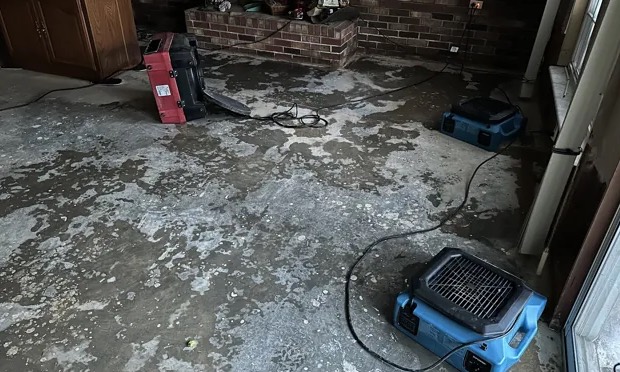
Storm Damage Restoration in 84318, UT
Storm Damage Restoration covers the inside of a home or business after a storm: removing water and debris, drying the structure and securing openings.
Storm damage restoration is available in Hyde Park and nearby North Logan, Smithfield and Logan. The pros handle board-up, tarping, water extraction and drying after storms of any size.
What Storm Damage Restoration Covers in 84318
Hail Damage Leak Cleanup
After a hailstorm, leaks may not show for days. Ceiling stains and wet insulation are checked and dried, and the damaged spots are noted for the roofer.
Storm Flooded Basement Cleanup
Basement floodwater from outside is treated as contaminated, so soaked porous materials are removed and surfaces are disinfected.
Wall Cavity Drying After Storms
Storm water inside exterior walls often shows up as bubbling paint or a damp baseboard. Drying the cavity keeps the framing from rotting.
Wind-Driven Rain Drying
Wind-driven rain soaks the windward side of a house first. Drying focuses on those walls, the window sills and the carpet along them.
Storm Damage Water Extraction
Rainwater that came in through a roof, window or door is removed from floors, carpet and the space under cabinets before it soaks into walls.
Signs You Need Storm Damage Restoration
Missing or Lifted Shingles
Shingles on the lawn or lifted at the edges after a storm mean the roof deck is exposed to the next rain.
Wet Attic Insulation
Damp or matted insulation in the attic after a storm means rain is getting past the roof deck.
Musty Smell After Heavy Rain
A damp smell that was not there before the storm usually means wet insulation, carpet pad or wall cavities.
Ceiling Stains After a Storm
New brown rings or damp spots on the ceiling after high wind or hail mean water is getting through the roof.
How Storm Damage Restoration Works in 84318
Step 1: Secure the Building
Broken windows and doors are boarded up and roof damage is tarped so no more rain gets in.
Step 2: Remove Debris
Mud, glass, branches and wet insulation that came inside are cleared so the floors and walls can be reached.
Step 3: Storm Damage Water Extraction
Water is removed from floors, carpet and under cabinets with pumps and extractors, starting where it is deepest.
Step 4: Dry and Monitor
Air movers and dehumidifiers run while the pros take daily readings, until walls and floors match dry areas.
How Storms Let Water Into 84318 Homes
Storm Runoff Into Basements
Heavy rain can raise the water around a house and push it through window wells, cracks and floor drains.
Roof Damage From Wind
High winds lift and tear shingles and flashing, exposing the roof deck to rain that soaks into the attic.
Overflowing Gutters
Heavy rain can overflow clogged or undersized gutters, sending water down walls and toward the foundation.
Fallen Trees and Limbs
Branches and trees that fall on a house can open the roof or break windows, letting rain straight in.
Home and Business Storm Damage Cleanup in 84318
Residential Storm Damage Restoration
In homes, storm damage usually means wet ceilings, carpet near windows and water inside exterior walls. The pros cover openings, remove the water and dry each room, with photos for your claim.
Commercial Storm Damage Restoration
For businesses, the pros board up storefronts, extract water from floors and dry the space in sections, so dry areas can be used again first.
When Storm Damage Is Too Big for DIY
Do not climb onto a wet or damaged roof. Tarping should be done by someone with the right gear and anchors once the storm has passed.
What Drives Storm Damage Restoration Cost?
In Hyde Park, the biggest cost drivers after a storm are the number of wet rooms, soaked insulation and drywall, and after-hours work during the storm.
Rooms Affected
Each wet room needs extraction, drying equipment and moisture checks, so the number of rooms sets much of the cost.
Basement Flooding
Pumping out a flooded basement and removing wet finishes adds equipment and labor to the job.
Timing of the Work
Work during or right after a storm, at night or on a weekend, can carry a higher rate than scheduled work.
Does Insurance Cover Storm Damage Restoration?
Some policies have a separate wind or hail deductible. Read yours or ask your agent so you know what to expect before work begins.
Why Storm Damage Needs Professional Drying in 84318
Dirty Water Handled Safely
Water that came in from outside is treated as dirty, with soaked porous materials removed and surfaces cleaned.
Records for Your Claim
Photos, readings and a list of removed materials give your adjuster a clear picture of the storm damage inside the house.
Hidden Water Found
Moisture meters and thermal cameras find water in walls, attics and under flooring that is not visible after a storm.
Emergency Storm Damage Help in 84318, UT
Storm water inside your Hyde Park home? Call (435) 265-3497 24/7. The pros can board up openings, tarp the roof and start extraction once it is safe.
Call Now (435) 265-3497Storm Damage Restoration Near 84318: Areas Served
Help with storm damage is available in Hyde Park and nearby North Logan, Smithfield and Logan, with board-up, extraction and drying around the clock.
Storm Damage Cleanup Questions Answered
Do the pros repair roofs and windows?
They cover them with tarps and plywood so the inside can dry. Permanent roof, window and siding repairs are done by those trades.
What is emergency board-up?
Plywood is fastened over broken windows and doors so rain and wind stay out and the home is secure while it dries.
Can wet carpet be saved after a storm?
Often, if it got wet from rain through a roof or window and is extracted and dried quickly. Carpet soaked by floodwater from outside is usually replaced.
How soon should storm cleanup start?
As soon as it is safe. Wet drywall, carpet and insulation can start to grow mold in 24 to 48 hours, and open roofs and windows let in more rain.
Can hail damage cause leaks later?
Yes. Hail can crack shingles, skylights and vent caps, and those cracks may not leak until the next heavy rain.