ZIP 83223 · Bloomington, ID · Bear Lake County
Water Damage Restoration in 83223Sewage Cleanup & Water Extraction
For Water Damage Restoration in Bloomington, services like water removal, structural drying, and flood cleanup are critical.
Answered 24/7
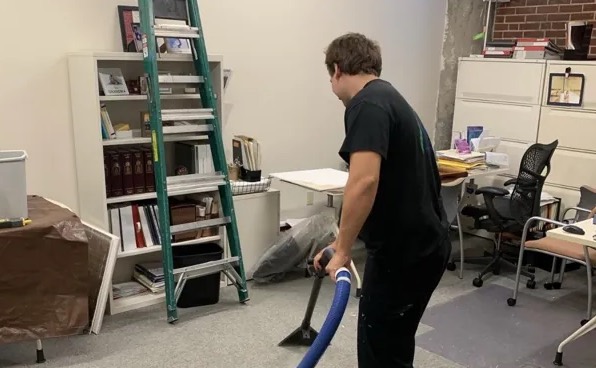
Water Damage Restoration Solutions in 83223, Idaho
In Bloomington, water damage disrupts daily life and can badly damage a property if it is not handled quickly. Local restoration pros remove the water and repair the damage.
In Bloomington and nearby Paris, Montpelier and Glendale, local water removal pros extract water and dry the structure to industry standards after leaks and floods, before swelling, odor and mold set in.
Core Water Damage Restoration Methods Used in 83223
Sewage Cleanup
A sewage backup introduces harmful pathogens. The process extracts contaminated water and removes unsalvageable porous materials.
Water Extraction
Water extraction pulls moisture from saturated materials like carpets and padding. This deep process prevents warping and mold growth.
Flood Cleanup
When water comes in from outside, soaked materials are removed and the area is cleaned and dried in Bloomington.
Water Removal
Removing water right away stops it from spreading across floors and wicking up walls. The pros in Bloomington use pumps and extractors sized to the job.
Water Damage Repair
After drying, pros rebuild what water damaged, patching drywall and laying new flooring so rooms in Bloomington homes work as before.
When to Call for Water Damage Restoration in 83223
Wet or Damp Attic Insulation
Damp insulation in the attic loses effectiveness and can rot wood. Attic drying and removal may be necessary for proper repair.
Visible Mold Patches
Any visible mold, especially after a leak, means moisture has stayed long enough for spores to grow.
Musty Odors in Rooms
A persistent musty smell often means hidden moisture and mold growing behind walls or under floors.
Water Stains on Ceilings
Yellow or brown ceiling stains indicate an ongoing water leak from above. The pros should inspect to identify the hidden source.
How Water Damage Restoration Works in 83223
Step 1: Assessment and Moisture Mapping
Pros use sensors and cameras to map the full extent of moisture in materials.
Step 2: Flood Water Removal
Heavy-duty pumps and extractors eliminate all pooling water from the affected area. Fast flood cleanup prevents secondary damage and mold growth.
Step 3: Targeted Drying Procedures
Specialized drying equipment is aimed at hard-to-reach areas like subfloors and the insides of walls.
Step 4: Mold Prevention and Restoration
Areas are treated to inhibit mold, followed by necessary reconstruction. The final step aims to return your space to its pre-damage condition.
Leading Causes of Water Damage in 83223
Sewer Line Backups or Overflows
Blocked main sewer lines or septic failures can push sewage up into the home through drains.
Appliance Malfunctions and Leaks
Water heaters, washing machines, dishwashers and refrigerators can leak or overflow suddenly and flood the floor.
Faulty or Clogged Gutters
Gutters that overflow or detach pour water against the home's siding. This leads to wall and basement water damage over time.
Natural Flooding From Heavy Rain
Heavy rain can overwhelm drainage and send surface water inside through doors and low spots.
Home and Business Water Damage Restoration in 83223
Residential Water Damage Restoration
Water damage in homes demands quick action to protect personal belongings and structure. The pros address leaks from appliances, roof failures, or plumbing to prevent mold.
Commercial Water Damage Restoration
For businesses, water damage halts operations and puts stock, equipment and data at risk. Pros extract water from offices, stores and warehouses and dry the structure to get you reopened.
Professional Water Damage Restoration or DIY in 83223?
A wet/dry vacuum can dry small wet carpet areas if used correctly. Opening windows and running fans helps air circulation. Soaked padding or a musty odor means professional wet carpet drying is necessary to stop mold growth.
Water Damage Restoration Cost in 83223, ID
In Bloomington, how long the water sat affects cost. A leak stopped quickly does little damage, while long saturation soaks deeper and needs more drying.
Emergency Service Timing
Night and weekend extraction can carry a different rate than work during business hours.
Affected Materials
Restoration costs vary if water damages drywall, hardwood floors, or custom cabinetry, as each material has different repair or replacement requirements.
Content Pack-Out Needs
The cost includes labor for moving, cleaning, and storing furniture and personal belongings to facilitate the flooded basement cleanup and drying process.
Does Insurance Cover Water Damage Restoration?
Mold cleanup after water damage might be covered if the mold came from a sudden, covered leak. Coverage is often limited, so review your policy.
Selecting Local Pros for Water Damage Restoration in 83223
Comprehensive Water Extraction
Industrial pumps and extractors remove standing water fast in homes and commercial buildings.
Integrated Service Approach
One set of pros handles the job from the first water removal to the final repairs.
IICRC-Standard Methods
The pros follow industry standards for water removal and drying, which helps prevent mold.
24/7 Water Damage Restoration Help in 83223, ID
Extensive water damage demands early professional help. Waiting can lead to costly secondary damage like mold growth. Secure emergency water removal and drying services by contacting the pros at (435) 265-3497.
Call Now (435) 265-3497Water Damage Restoration Service Area Including 83223, ID
From Bloomington to Paris, Montpelier and Glendale, the pros dry wet carpet and structures and repair storm damage.
Frequently Asked Water Damage Restoration Questions
What are common causes of residential water damage?
Common causes include plumbing failures like burst pipes, appliance leaks from water heaters or washing machines, roof leaks, and flooding from severe weather.
Why can mold become a problem after water damage?
Mold can grow in damp materials within 24 to 48 hours. If moisture remains after drying, mold removal may be needed.
What happens during the flood cleanup process?
Flood cleanup starts with pumping out standing water. Then, mud and debris are removed. The area is cleaned and disinfected.
How quickly should water extraction begin after a flood?
As soon as it is safe. Standing water speeds up damage, and mold can start within 24 to 48 hours.
How is commercial water damage different from residential?
Commercial jobs are larger, involve building systems and need planning around business hours, so drying is done in sections to limit downtime.