ZIP 84330 · Plymouth, UT · Box Elder County
Water Damage Restoration in 84330Storm Damage Repair & Mold Prevention After Water Damage
Water Damage Restoration in Plymouth covers water removal, flood cleanup and mold prevention after water damage.
Answered 24/7
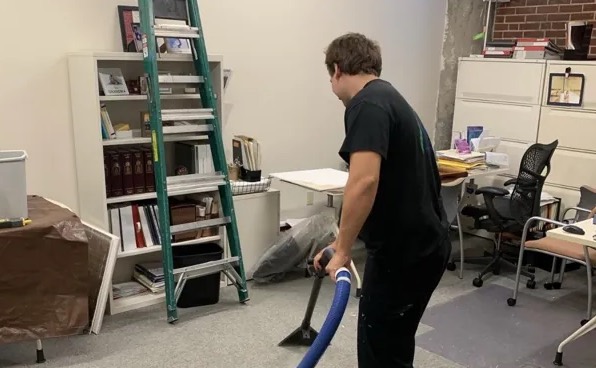
Water Damage Restoration Response in Box Elder County
In Plymouth, storms and plumbing failures bring water inside. Local restoration pros handle extraction, sewage cleanup and drying after storm damage.
Around Plymouth, including Fielding, Clarkston and Riverside, the pros remove water from affected homes and businesses and dry the structure to keep mold from starting.
Water Damage Restoration Services in 84330
Storm Damage Repair
After a storm, the pros tarp roof damage, extract water and dry wet walls and floors. The pros in Plymouth handle the inside of the house.
Mold Prevention After Water Damage
If mold is found during water cleanup, the affected area is contained and noted so it can be handled separately.
Water Removal
Powerful extractors pull bulk water from carpets and hard flooring. This initial removal in Plymouth is a necessary step before structural drying can begin.
Water Damage Repair
After drying, repair work addresses cosmetic and functional damage. This may mean replacing warped cabinets, swollen doors, or damaged subflooring.
Flood Cleanup
Flood water can carry contaminants. The pros in Plymouth remove ruined materials, extract the water and apply antimicrobial treatment.
Signs Your 84330 Property Needs Water Damage Help
High Indoor Humidity Levels
A consistently sticky, humid feeling indoors can indicate poor drying. Professionals use tools to measure and correct moisture levels.
Puddles Around Appliances
Standing water near a water heater, washer or fridge means a leak. Call (435) 265-3497 before it spreads further.
Musty Odors in Rooms
A persistent musty smell often means hidden moisture and mold growing behind walls or under floors.
Wet Spots on Carpets
Carpet or pad that stays damp means water has soaked deep into the floor, where it can rot the subfloor.
How Water Damage Restoration Works in 84330
Step 1: Assessment and Moisture Mapping
Pros use sensors and cameras to map the full extent of moisture in materials.
Step 2: Flood Water Removal
Heavy-duty pumps and extractors eliminate all pooling water from the affected area. Fast flood cleanup prevents secondary damage and mold growth.
Step 3: Targeted Drying Procedures
Specialized drying equipment is aimed at hard-to-reach areas like subfloors and the insides of walls.
Step 4: Mold Prevention and Restoration
Areas are treated to inhibit mold, followed by necessary reconstruction. The final step aims to return your space to its pre-damage condition.
Common Causes of Water Damage in 84330
Fire Suppression System Activation
Fire sprinklers that discharge during a fire or by accident put a lot of water into a building.
Faulty or Clogged Gutters
Gutters that overflow or detach pour water against the home's siding. This leads to wall and basement water damage over time.
Appliance Malfunctions and Leaks
Water heaters, washing machines, dishwashers and refrigerators can leak or overflow suddenly and flood the floor.
Roof Leaks From Storm Damage
Wind-driven rain, hail or fallen debris can break through roofing and let water into the home.
Both Residential & Commercial Water Damage Restoration in 84330, UT
Residential Water Damage Restoration
In residences, hidden moisture in walls or under floors can warp materials and attract pests. Residential water damage repair involves precise moisture mapping and targeted drying.
Commercial Water Damage Restoration
Offices and stores have drop ceilings and raised floors that trap water. Pros use industrial equipment for large-scale removal and drying and document it for business interruption claims.
Hiring Restoration Pros vs. DIY Water Damage Cleanup
A wet/dry vacuum can dry small wet carpet areas if used correctly. Opening windows and running fans helps air circulation. Soaked padding or a musty odor means professional wet carpet drying is necessary to stop mold growth.
Understanding Water Damage Restoration Costs in 84330
In Plymouth, how long the water sat affects cost. A leak stopped quickly does little damage, while long saturation soaks deeper and needs more drying.
Emergency Service Timing
Night and weekend extraction can carry a different rate than work during business hours.
Area Accessibility
Difficult-to-access areas like crawl spaces or attics may require specialized equipment, increasing the time and cost for the experts to complete the work.
Secondary Damage Remediation
Extra work like mold removal or storm repairs adds its own scope and cost.
Does Insurance Cover Water Damage Restoration?
Water extraction may be covered if the cause is a named peril in a homeowner's policy. Confirm with your insurer first. The pros document the scope with photos and moisture maps, creating a record for your insurance company's review.
Selecting Local Pros for Water Damage Restoration in 84330
Comprehensive Water Extraction
Industrial pumps and extractors remove standing water fast in homes and commercial buildings.
Detailed Damage Documentation
Pros systematically photograph the damage and record moisture readings, creating a clear visual and data record that can be useful for insurance purposes.
Advanced Moisture Detection
Thermal cameras and moisture meters let the pros find hidden water in walls and subfloors so drying is complete.
Always-Available Water Damage Restoration for 84330
Sewer backups and major flooding need fast, safe handling. Call (435) 265-3497 24/7 for the pros to start sewage cleanup or water extraction.
Call Now (435) 265-3497Local Water Damage Restoration Areas Near 84330
Across Plymouth and nearby Fielding, Clarkston and Riverside, the pros extract water, dry and repair homes and businesses.
Answers to Top Water Damage Restoration Questions
What does storm damage restoration involve?
It handles water that wind or rain let in, combining water removal, drying and repairs to the roof or siding.
Why can mold become a problem after water damage?
Mold can grow in damp materials within 24 to 48 hours. If moisture remains after drying, mold removal may be needed.
How do professionals handle a sewage backup cleanup?
Sewage cleanup requires strict safety protocols due to contaminants. The process involves removing the hazardous waste, thorough cleaning and disinfecting affected areas, and often removing porous materials that cannot be adequately sanitized.
How quickly should water extraction begin after a flood?
As soon as it is safe. Standing water speeds up damage, and mold can start within 24 to 48 hours.
Can wet carpet be saved after water damage?
Wet carpet drying may be possible if extraction begins quickly and the water is clean. Contaminated water often requires disposal. The pros assess the carpet, pad, and subfloor to determine if salvage is feasible.